
A Visit to Seongsu-dong
A Quiet Morning Walk in Seongsu-dong, Seoul
I recently visited Seongsu-dong, one of Seoul’s most popular neighborhoods for cafés, pop-up stores, shopping, and contemporary culture.
Rather than focusing mainly on shopping or exploring restaurants, I wanted to experience the atmosphere of the neighborhood during the quieter hours of the early morning. Seongsu-dong attracts large numbers of visitors from morning until late at night, so visiting early in the day gave me an opportunity to walk around at a much slower pace and photograph the streets before they became crowded.
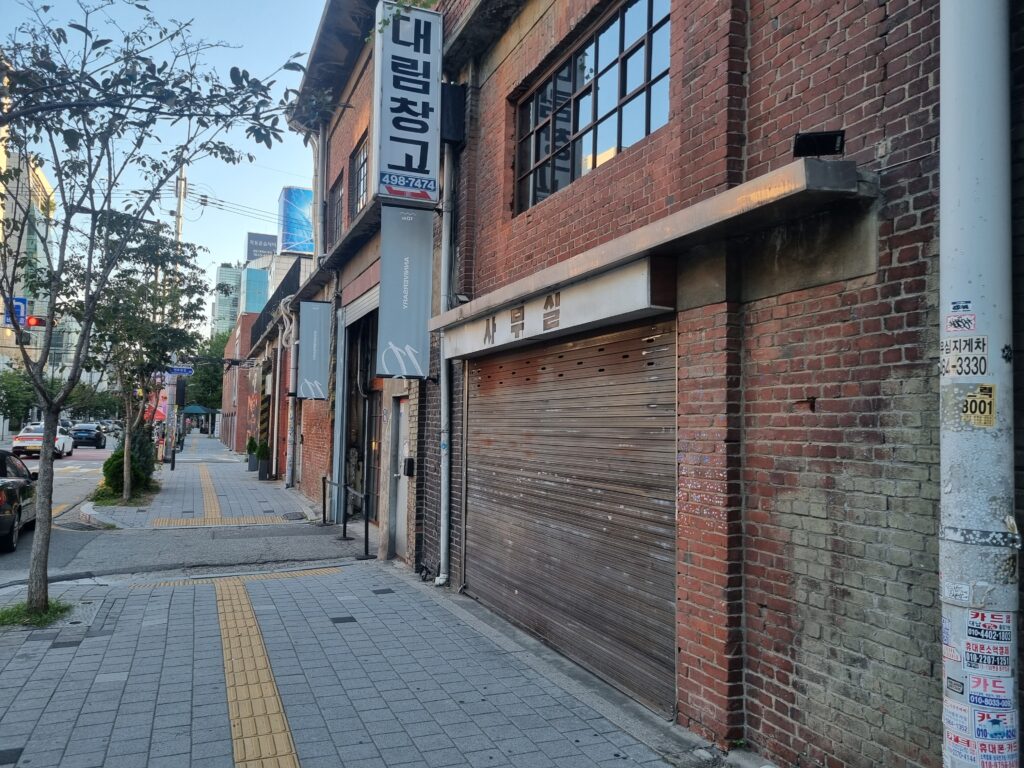
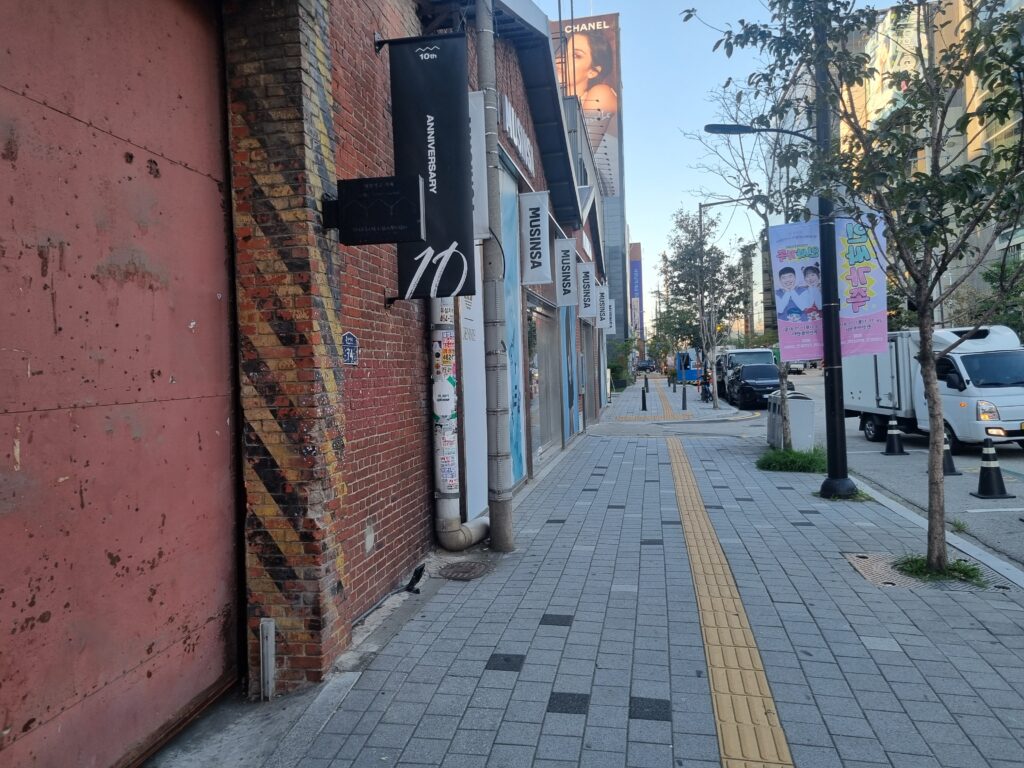
What makes Seongsu-dong interesting is not simply the number of cafés or stores. The neighborhood has a distinctive atmosphere created by the combination of its industrial past and its modern transformation.
As I walked through the streets, I could see traces of the area’s former industrial character alongside newly renovated cafés, restaurants, showrooms, and creative spaces.
Getting to Seongsu-dong
Seongsu-dong is relatively easy to reach by public transportation.
Visitors can use several nearby subway stations depending on which part of the neighborhood they want to explore.
Seongsu Station – Seoul Subway Line 2
Ttukseom Station – Seoul Subway Line 2
Seoul Forest Station – Suin–Bundang Line
Because Seongsu-dong is a large neighborhood rather than one single attraction, the most convenient station depends on your destination.
If you simply want to explore the main Seongsu streets, Seongsu Station is a practical starting point.
If you also want to visit Seoul Forest, Ttukseom Station or Seoul Forest Station may be more convenient depending on your route.
A Different Atmosphere in the Early Morning
One of the reasons I chose to visit Seongsu-dong early was to experience a quieter side of the neighborhood.
During the afternoon and evening, the streets can become very busy with visitors looking for cafés, restaurants, pop-up stores, exhibitions, and shopping.
Early in the morning, however, the atmosphere can be much calmer.
There are fewer people walking through the streets, and the neighborhood’s architecture becomes easier to notice.
This was particularly enjoyable for photography.
Instead of constantly waiting for people to move out of the frame, I could take my time looking at the buildings, streets, signs, doors, and small architectural details.
For travelers who enjoy photography or simply prefer a slower walk, an early morning visit can be a very different experience from visiting during peak hours.

Seongsu-dong’s Industrial Past
One of the most distinctive features of Seongsu-dong is the neighborhood’s transformation.
Seongsu-dong was once known for its industrial environment and many factories and workshops.
Over time, some of these older buildings disappeared or were renovated, while others were given new uses.
Former industrial buildings have been transformed into:
- Cafés
- Restaurants
- Concept stores
- Showrooms
- Galleries
- Pop-up spaces
- Creative businesses
This transformation has created one of the neighborhood’s most recognizable characteristics.
Rather than completely replacing the older buildings with new architecture, many businesses have incorporated industrial elements into their modern designs.
As a result, you can sometimes see old brick walls, large factory-style windows, exposed structures, and industrial-looking exteriors combined with stylish modern interiors.
Old Buildings and Modern Design
This contrast is one of the things I found most interesting during my visit.
A building that may once have been used for manufacturing or storage can now contain a fashionable café or luxury brand showroom.
The exterior may still look industrial while the interior has been completely redesigned.
This mixture of old and new gives Seongsu-dong a character that is different from many other parts of Seoul.
It also explains why the neighborhood has become popular with people interested in fashion, design, photography, cafés, art, and contemporary Korean culture.
For visitors, simply walking between different buildings can become part of the sightseeing experience.
A Popular Destination for Younger Visitors
Seongsu-dong is especially popular with younger visitors.
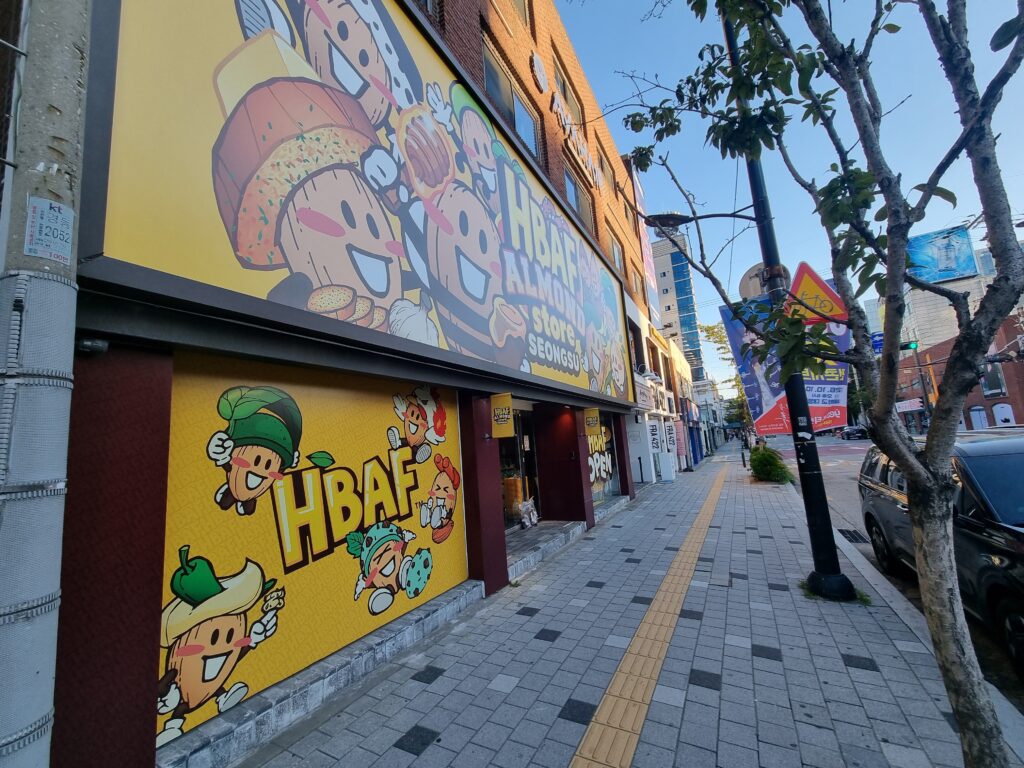
The neighborhood has a large selection of cafés, restaurants, fashion stores, cosmetics stores, concept stores, and temporary events.
During a walk through the area, it is common to see groups of friends meeting for coffee, visitors taking photographs, and people waiting to enter popular stores or exhibitions.
The atmosphere is energetic without feeling exactly like a traditional shopping district.
Instead, many visitors come to Seongsu simply to explore.
You might visit one café, discover a pop-up store nearby, walk into a concept store, and then continue down another street because something catches your attention.
That sense of discovery is an important part of the Seongsu-dong experience.
Pop-Up Stores and Events
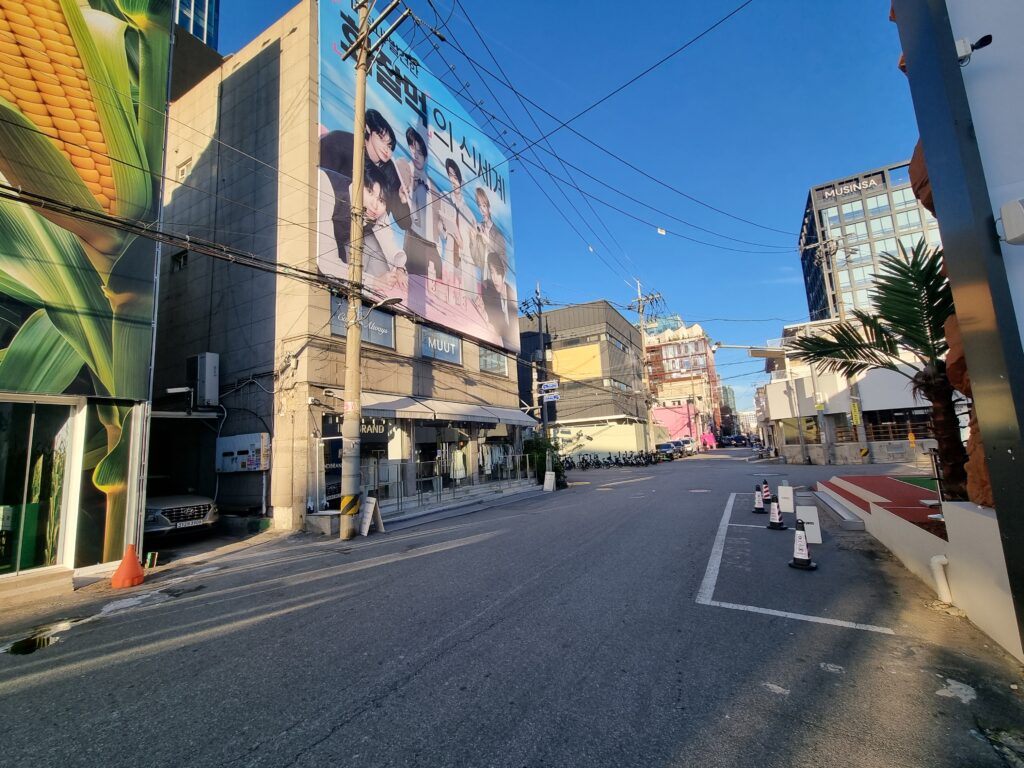
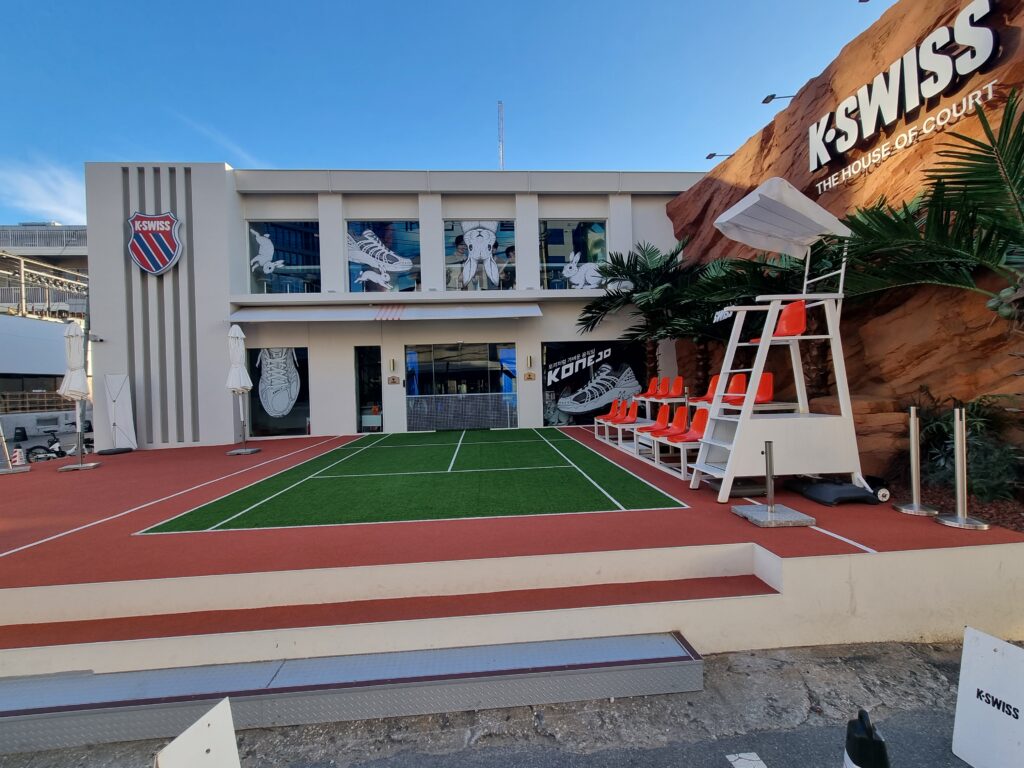
Seongsu-dong is also well known for its large number of pop-up events and pop-up stores.
Brands frequently use the neighborhood to introduce new products, hold temporary exhibitions, create special experiences, or attract visitors through unique interior designs.
This means that Seongsu-dong can look quite different depending on when you visit.
A store or exhibition you see during one trip may not exist during your next visit.
For this reason, travelers interested in a specific pop-up should check the latest information before visiting.
Don’t build an entire itinerary around an event without confirming its current dates and operating hours.
At the same time, you don’t necessarily need a detailed plan.
One of the enjoyable things about Seongsu is discovering something unexpected while walking.
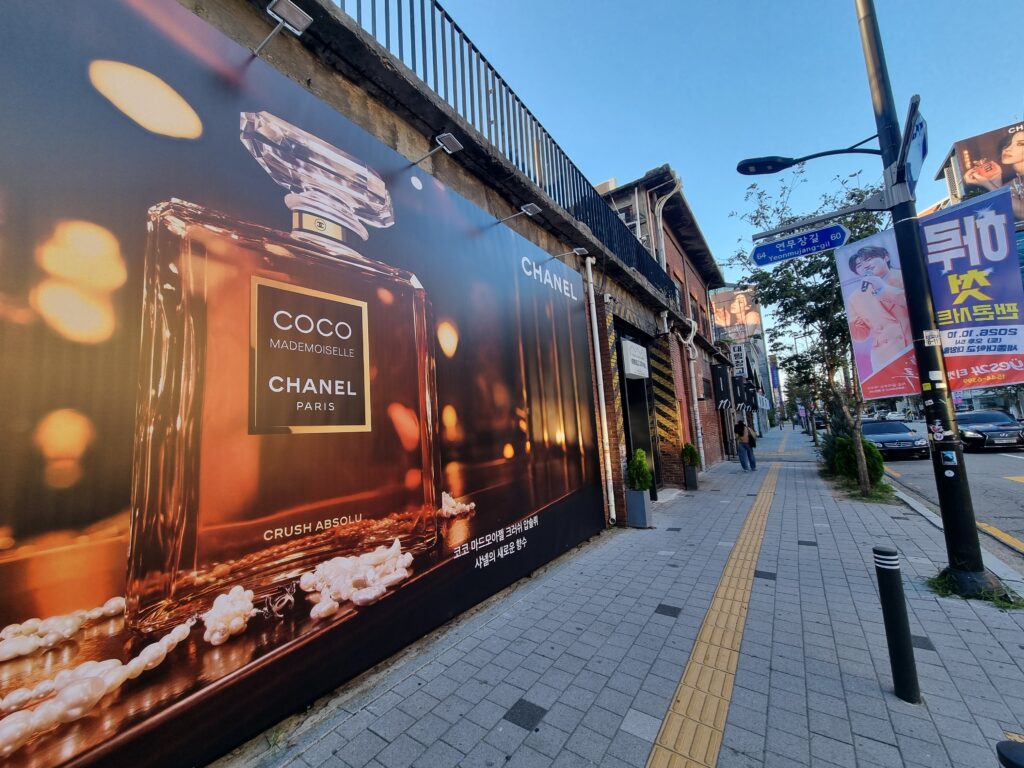
Luxury Brands and Showrooms
Seongsu-dong is not limited to small independent cafés and local businesses.
The neighborhood has also attracted luxury brand exhibitions, showrooms, and large-scale temporary events.
This creates another interesting contrast.
A former industrial neighborhood now hosts spaces created by major international brands, while older buildings and industrial streets remain nearby.
For photography enthusiasts, this combination can create particularly interesting images.
A modern luxury showroom can look completely different when photographed against the background of an older industrial building.
📸 Seongsu-dong for Photography
Seongsu-dong is a good destination for travelers who enjoy urban photography.
You don’t need to search for one specific landmark.
Instead, look for contrasts.
Things to Photograph
- Old brick buildings
- Industrial-style doors
- Factory windows
- Modern cafés
- Creative signs
- Pop-up store entrances
- Fashion displays
- Contemporary architecture
- People walking through the streets
- Old and new buildings in the same frame
Morning light can be particularly attractive because the streets are quieter and the sunlight can create interesting shadows across older buildings.
Rather than taking only photographs of famous cafés, try photographing the surrounding streets as well.
This can help capture the character of Seongsu rather than simply documenting individual businesses.
☕ Cafés and Restaurants
Seongsu-dong has become particularly famous for its café culture.
You can find cafés with very different styles, from small spaces in renovated buildings to large destinations with distinctive architecture and interiors.
Restaurants are also an important part of the neighborhood.
However, if you visit during a busy afternoon or weekend, popular locations may have queues.
This is another reason an early start can be useful.
You can walk around the neighborhood first, explore the streets, and then decide where you want to stop for coffee or food.
Rather than planning every café in advance, leaving some room for spontaneous discoveries can make the visit more enjoyable.
🌳 Combine Seongsu-dong with Seoul Forest
Visitors who enjoy walking can combine Seongsu-dong with Seoul Forest.
This creates a pleasant half-day itinerary because the two areas provide very different environments.
You can begin by exploring Seongsu-dong’s industrial streets, cafés, stores, and pop-up spaces.
Afterward, continue toward Seoul Forest for a more open and relaxing environment.
A simple route could be:
Seongsu Station
↓
Seongsu-dong Streets
↓
Cafés / Pop-up Stores
↓
Seoul Forest
This combination allows you to experience both the contemporary urban atmosphere of Seongsu and the greenery of Seoul Forest.
How Long Should You Spend in Seongsu-dong?
I recommend allowing approximately 2–4 hours for Seongsu-dong.
The actual amount of time depends heavily on what you want to do.
If your main goal is a morning walk and photography, you may need less time.
If you plan to visit several cafés, pop-up stores, exhibitions, and shops, you can easily spend several hours here.
A traveler who wants to combine Seongsu-dong with Seoul Forest should consider making it a half-day itinerary.
Best Time to Visit
Early Morning
Early morning is a good choice if you want:
- A quieter atmosphere
- Less crowded streets
- Easier photography
- A relaxed walk
This was the atmosphere I wanted to experience during my visit.
Afternoon
Afternoon is better suited to travelers who want to experience the neighborhood when more stores, cafés, and pop-up spaces are active.
However, it can also be considerably busier.
Weekend
Weekends can be particularly lively.
If you want to visit popular cafés or temporary exhibitions, expect the possibility of queues.
If photography and quiet streets are your priority, an early weekday visit may be more comfortable.
A Simple Seongsu-dong Walking Route
You don’t need a complicated itinerary.
A simple walking plan can be:
Seongsu Station
↓
Explore the Industrial Streets
↓
Pop-up Stores and Concept Shops
↓
Café Break
↓
Continue Toward Seoul Forest
↓
Seoul Forest Walk
This gives you flexibility to stop whenever you find something interesting.
Seongsu is one of those neighborhoods where an overly strict schedule may actually reduce the enjoyment of exploring.
Practical Visit Tips
1. Visit early if you prefer a quieter atmosphere.
Morning is particularly suitable for photography and relaxed walking.
2. Wear comfortable shoes.
The best way to experience Seongsu-dong is on foot.
3. Check pop-up information before visiting.
Temporary events change frequently.
4. Expect crowds in the afternoon.
Popular cafés and events can become busy.
5. Leave room for spontaneous exploration.
You may discover interesting stores that were not part of your original plan.
6. Combine the area with Seoul Forest.
This creates a good half-day route.
7. Check opening hours.
Not every business opens early in the morning.
8. Don’t focus only on famous cafés.
The surrounding industrial streets are an important part of Seongsu’s character.
What Makes Seongsu-dong Special?
For me, the most interesting part of Seongsu-dong is the contrast.
You can walk past an old industrial building and then find a sophisticated modern café inside.
A quiet factory-style street can suddenly open into a busy pop-up event.
An old brick wall can stand next to a modern fashion showroom.
This mixture of industrial history, contemporary design, cafés, fashion, art, and everyday urban life gives Seongsu-dong its distinctive character.
It is not simply a shopping district.
It is a neighborhood that has changed over time, and that transformation is still visible as you walk through its streets.
Final Thoughts
Seongsu-dong is one of the places I highly recommend visiting at least once when traveling to Korea.
Its popularity is easy to understand. There are cafés, restaurants, shopping opportunities, pop-up stores, exhibitions, showrooms, and plenty of interesting streets to explore.
But you don’t necessarily need to visit every famous place.
One of the best ways to experience Seongsu-dong is simply to walk.
Start early if you want a quieter atmosphere, look closely at the old industrial buildings, explore the modern spaces that have replaced or renovated them, and stop whenever you find something interesting.
If you have additional time, continue toward Seoul Forest and turn your visit into a relaxing half-day walk.
For me, visiting Seongsu-dong early in the morning was a reminder that Seoul is not only about famous tourist attractions.
Sometimes, simply walking through a neighborhood and observing how the city has changed can be one of the most enjoyable parts of traveling.
Quick Seongsu-dong Guide
📍 Location: Seongsu-dong, Seoul
🚇 Subway: Seongsu Station, Ttukseom Station, or Seoul Forest Station
🚉 Main Line: Line 2 / Suin–Bundang Line
⏱️ Recommended Time: 2–4 hours
🌅 Best Time: Early morning for a quieter walk and photography
☕ Best For: Cafés, pop-up stores, photography, shopping, and urban walks
🌳 Nearby: Seoul Forest
📸 Photography: Industrial buildings, cafés, pop-up spaces, streets, and old-meets-new architecture
Travel Tip: Pop-up stores and exhibitions in Seongsu-dong change frequently, so check the latest information before planning your visit.
🧭 Useful Seoul Travel Tools
Make your visit easier with our free travel tools.