
Gyeongbokgung Palace Night Opening 2026 | Tickets, Hours & Guide
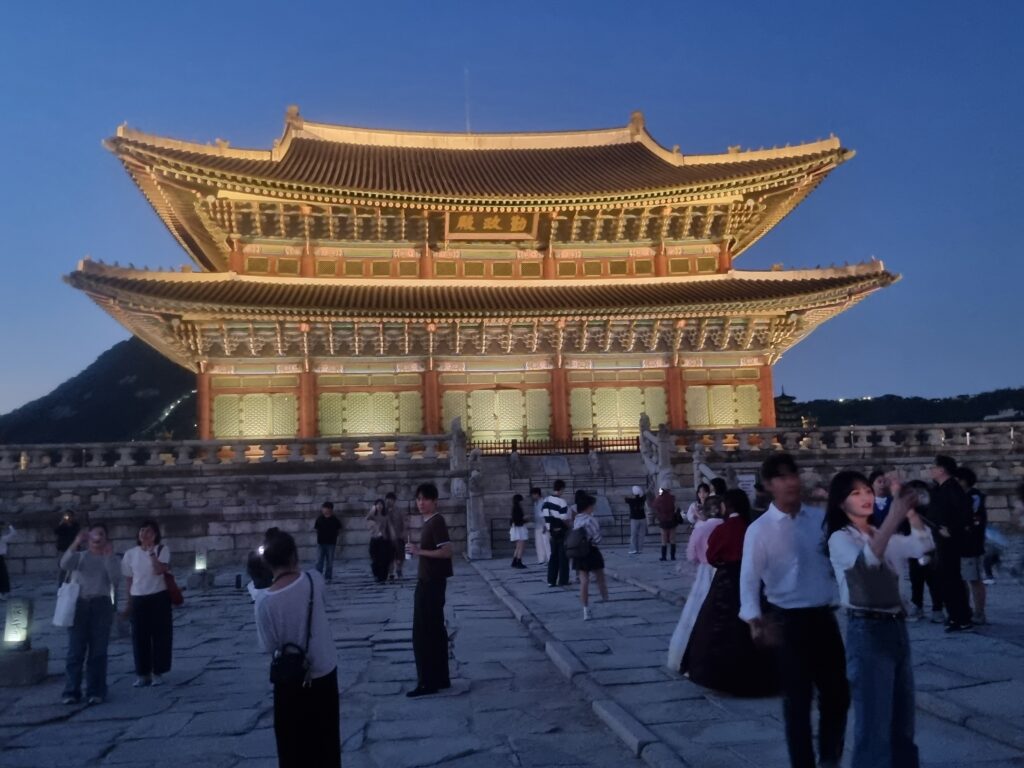
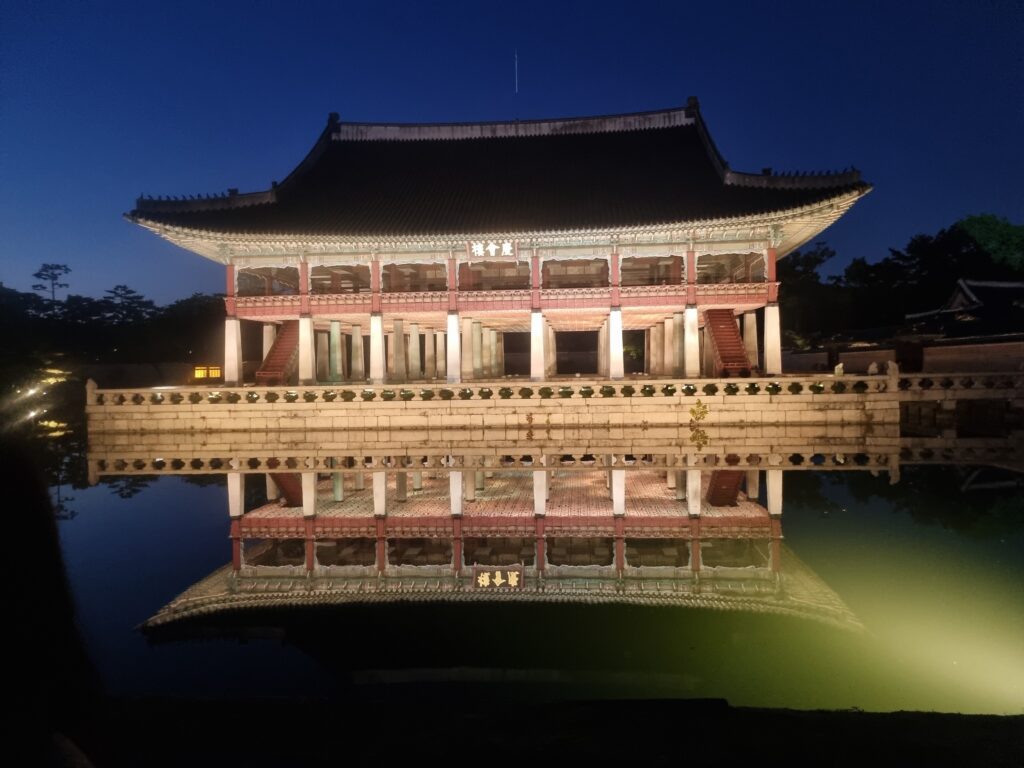
My Visit to Gyeongbokgung Palace Night Opening 2026
Today, I’d like to share my experience visiting Gyeongbokgung Palace during its 2026 night opening.
The 2026 fall night opening runs from September 2 to October 2, offering visitors a chance to experience the palace in a completely different atmosphere after sunset.
Opening Period & Hours
- Period: September 2 – October 2, 2026
- Closed: Every Monday and Tuesday
- Opening Hours: 7:00 PM – 9:30 PM
- Last Admission: 8:30 PM
Admission & Free Entry
- General Admission: KRW 3,000 per person with an online reservation
- Free Admission: Visitors wearing hanbok, children aged 6 or under, visitors aged 65 or older, national merit recipients and their spouses, holders of national bereaved family certificates, and visitors with qualifying disabilities may enter free of charge.
- Visitors eligible for free admission can enter without making a separate reservation by presenting the required documentation.
How to Reserve
Tickets can be reserved online through NOL Ticket (Interpark Ticket).
- Purchase Limit: Up to 4 tickets per person
- Foreign Visitors: A limited number of 300 tickets are available for on-site purchase each day, with a maximum of 2 tickets per person. A passport or valid ID is required.

Ticket Booth for Foreign Visitors
Areas Open to Visitors
The night opening includes major areas of the palace, including Gwanghwamun Gate, Heungnyemun Gate, Geunjeongjeon Hall, Gyeonghoeru Pavilion, Sajeongjeon Hall, Gangnyeongjeon Hall, Gyotaejeon Hall, and the Aemi Mountain Garden area.
Visitors can explore the palace freely at their own pace and enjoy the beautifully illuminated royal buildings, gardens, and pond scenery at night.
Tips for Visiting
One of the best things about the night opening is that visitors wearing hanbok can enter for free. Photography is also permitted, making it a great opportunity to capture beautiful nighttime photos of the palace.
Gyeongbokgung Palace is easily accessible from Gyeongbokgung Station on Subway Line 3 or Gwanghwamun Station on Line 5, followed by a short walk.
Mobile tickets can be used for admission, and visitors can also collect their tickets from the self-service ticket machines at Gwanghwamun.
Traditional Performances
Depending on the program and location, visitors may also have the opportunity to enjoy traditional Korean music and royal court performances during the night opening.


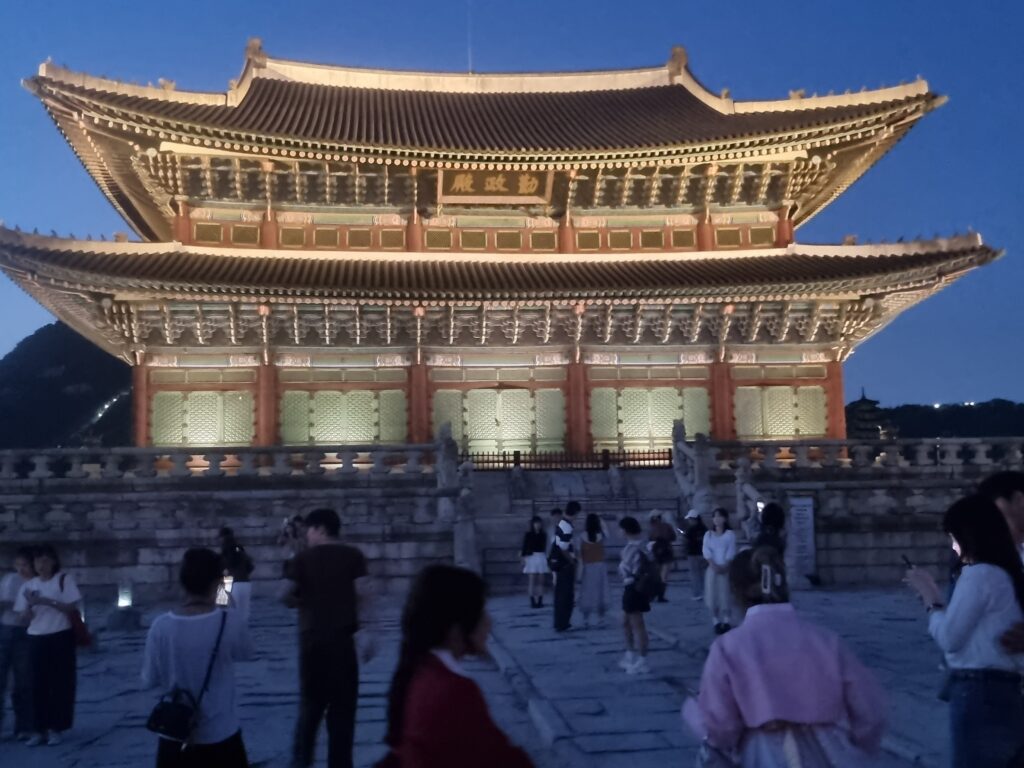
My Experience at Gyeongbokgung Palace at Night
I made an online reservation through NOL Ticket and visited the palace using a mobile ticket.
As you can see in the photos, there is also a ticket booth where foreign visitors can purchase tickets on site. Since the number of on-site tickets for international visitors is limited, I recommend arriving early if you plan to buy your ticket at the palace.
Another option is to rent a hanbok from one of the many hanbok rental shops near Gyeongbokgung Palace. Visitors wearing hanbok can enter free of charge, so this can be a good alternative if you are unable to purchase an on-site ticket.
The Beauty of Gyeongbokgung After Sunset
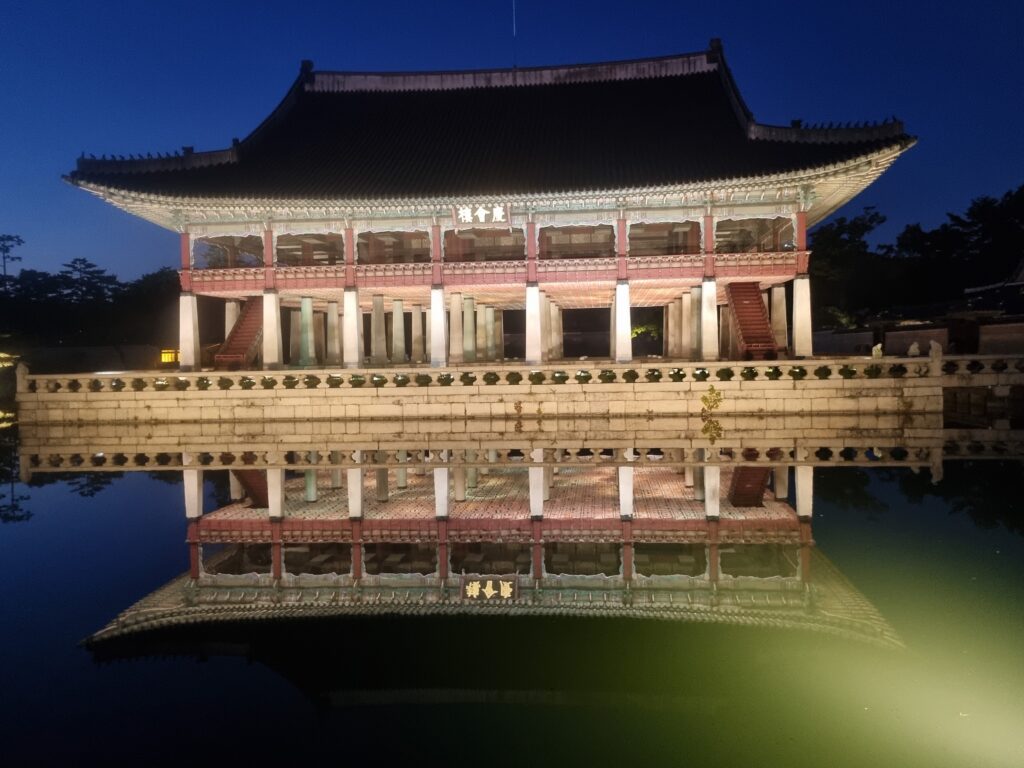
Gyeongbokgung Palace at night offers a completely different experience from visiting during the daytime. As the evening progresses, the warm lights illuminating the palace buildings and trees create a beautiful atmosphere that is unique to the night.
I particularly enjoyed seeing the palace as the early evening sky gradually changed from sunset colors to a darker night sky. The illuminated royal buildings, trees, and pond scenery created countless beautiful photo opportunities.
During my visit, I noticed many international visitors wearing hanbok and enjoying the night opening. Large numbers of visitors gathered around popular photo spots, trying to capture the most beautiful views of the palace.
The opportunity to enjoy traditional Korean performances made the experience even more special.
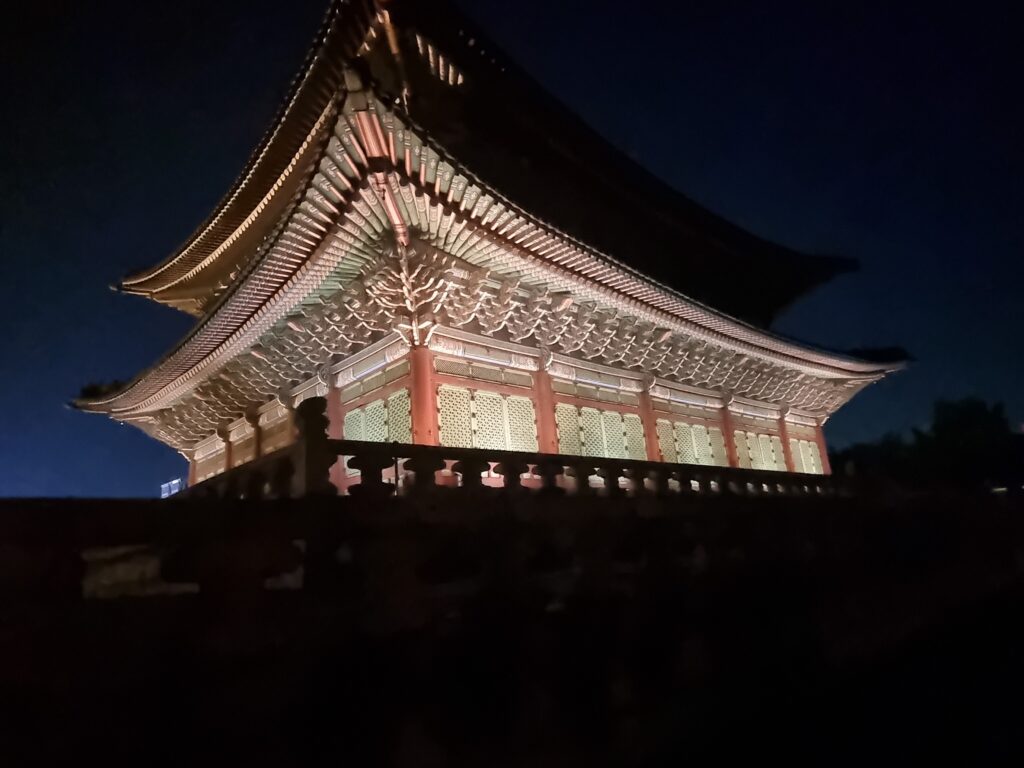

A Great Evening in Early Autumn
After the hot summer season, early autumn brings cooler temperatures and a refreshing evening breeze. I think this makes the Gyeongbokgung Palace night opening a wonderful way to experience one of Seoul’s most historic landmarks.
If you are planning to visit Gyeongbokgung Palace in the evening, I also recommend exploring Samcheong-dong, a neighborhood nearby known for its restaurants, cafes, galleries, and traditional Korean atmosphere.
I visited a Korean-style restaurant in Samcheong-dong near Gyeongbokgung Palace before heading to the night opening. I enjoyed a delicious meal of Scoglio pasta and Margherita pizza before walking over to the palace.


It was a great way to spend an autumn evening in Seoul—starting with dinner in Samcheong-dong and ending the evening surrounded by the illuminated beauty of Gyeongbokgung Palace.
Final Thoughts
If you are visiting Korea in early autumn, I highly recommend adding the Gyeongbokgung Palace Night Opening to your Seoul itinerary.
Seeing the palace illuminated after sunset, walking through the historic royal grounds, watching visitors enjoy the experience in hanbok, and discovering the beautiful nighttime scenery made this visit particularly memorable.
If you have the opportunity, don’t just visit Gyeongbokgung during the day. Come back in the evening and experience a completely different side of this historic palace.
📍 Location
Location of Gyeongbokgung Palace
Gyeongbokgung Palace is located in Jongno-gu, central Seoul, at the heart of the historic area of the city. Built in 1395, it was the main royal palace of the Joseon Dynasty and is the largest of Seoul’s Five Grand Palaces.
The palace is surrounded by some of Seoul’s most popular cultural and historic attractions, including Gwanghwamun Square, Bukchon Hanok Village, Insadong, and the National Palace Museum of Korea.
Address:
161 Sajik-ro, Jongno-gu, Seoul, South Korea
Gyeongbokgung is large enough to require several hours if you want to explore the major palace buildings, courtyards, gardens, and surrounding museums.
🚇 How to Get to Gyeongbokgung Palace
By Subway
There are two convenient subway stations for reaching Gyeongbokgung Palace.
Gyeongbokgung Station
Subway Line 3
Exit 5 is approximately 492 meters from the palace and is one of the most convenient options for visitors.
Gwanghwamun Station
Subway Line 5
Exit 2 is approximately 471 meters from the palace.
For first-time visitors, Gyeongbokgung Station on Line 3 is particularly convenient because it brings you close to the palace’s main entrance area.
🚌 By Bus
A number of city buses operate around the Gyeongbokgung and Gwanghwamun areas.
Bus transportation can be useful if you are coming from Myeongdong, Seoul Station, Insadong, Bukchon, or other parts of central Seoul.
Because several bus stops are located around the palace, check the exact stop according to which entrance or nearby attraction you plan to visit.
🚕 By Taxi
Taxis can take visitors to the roads surrounding Gyeongbokgung Palace.
However, the area around Gwanghwamun and the palace can become busy during peak hours. For this reason, it may be more convenient to get off near a main road and walk to the entrance.
🏯 What to See at Gyeongbokgung Palace
Gyeongbokgung Palace is much more than its famous main gate.
Visitors can explore a large complex of royal buildings, courtyards, gardens, and historic spaces.
Some of the highlights include:
- Gwanghwamun – the palace’s main and southern gate
- Heungnyemun – the second inner gate
- Geunjeongmun – the entrance to the main courtyard
- Geunjeongjeon – the main throne hall
- Gyeonghoeru – the famous royal banquet pavilion
- Gangnyeongjeon – the king’s living quarters
- Gyotaejeon – the queen’s quarters
- Hyangwonjeong – the elegant pavilion surrounded by water
The official Seoul walking tour recommends a route through many of these major buildings and estimates approximately two hours for the main palace walking course.
👘 Wearing Hanbok
One of the most popular experiences at Gyeongbokgung is visiting the palace while wearing a traditional Korean hanbok.
According to the official Seoul tourism information, visitors wearing a complete hanbok can enter Gyeongbokgung Palace free of charge, subject to the palace’s detailed hanbok guidelines.
There are many hanbok rental shops around Gyeongbokgung, Bukchon, and Insadong, making it easy to combine a hanbok rental with a palace visit.
For many international visitors, wearing hanbok also provides a memorable way to experience the historic surroundings and take photographs.
🗺️ Nearby Places to Visit
Gyeongbokgung Palace is surrounded by several major Seoul attractions, making it easy to create a full-day sightseeing route.
🏘️ Bukchon Hanok Village
Bukchon Hanok Village is located east of Gyeongbokgung Palace and is one of the most popular traditional neighborhoods in Seoul.
Its narrow streets, hanok houses, galleries, cafés, and traditional shops make it a natural continuation of a palace visit.
Recommended combination:
Gyeongbokgung Palace → Bukchon Hanok Village
This route combines Joseon royal architecture with a traditional residential neighborhood.
🏛️ National Palace Museum of Korea
The National Palace Museum of Korea is located near the palace and displays artifacts and objects related to the Joseon royal court.
It is a useful addition for visitors who want to understand more about the history and culture behind the palace buildings.
The museum is located near Gyeongbokgung and can easily be included before or after exploring the palace.
Recommended combination:
Gyeongbokgung Palace → National Palace Museum of Korea
🌳 National Folk Museum of Korea
The National Folk Museum of Korea is located within the Gyeongbokgung Palace grounds.
The museum focuses on traditional Korean life and culture and can add another perspective to a palace visit.
Because it is located within the palace complex, visitors can combine the two without making a separate trip.
🏙️ Gwanghwamun Square
Gwanghwamun Square is located directly south of Gyeongbokgung Palace.
The large public space provides views toward Gwanghwamun Gate and the surrounding city center.
Recommended combination:
Gwanghwamun Square → Gyeongbokgung Palace
This is particularly convenient for visitors arriving from central Seoul.
🏘️ Seochon
Seochon is located west of Gyeongbokgung Palace and offers a different atmosphere from Bukchon.
The neighborhood features traditional houses, small restaurants, cafés, galleries, and local shops.
The palace’s western gate, Yeongchumun, provides access toward Seochon, making it possible to combine the palace with a walk through the neighborhood.
Recommended combination:
Gyeongbokgung Palace → Seochon
🎨 Insadong
Insadong is located southeast of Gyeongbokgung and is known for traditional crafts, galleries, souvenirs, restaurants, and cafés.
It is a good place to continue your day after visiting the palace.
Recommended combination:
Gyeongbokgung Palace → Insadong
📌 Suggested Half-Day Walking Route
For first-time visitors, this is a convenient route:
Gwanghwamun Square → Gwanghwamun Gate → Gyeongbokgung Palace → National Folk Museum → Bukchon Hanok Village
Another option is:
Gyeongbokgung Palace → Bukchon Hanok Village → Insadong
If you prefer a quieter neighborhood experience:
Gyeongbokgung Palace → Yeongchumun Gate → Seochon → Local cafés & restaurants
📷 Best Time to Visit
Gyeongbokgung Palace can be beautiful throughout the day, but the atmosphere changes depending on the time.
Morning
Morning is a good time for visitors who want to explore the palace before the busiest crowds.
It can also be a comfortable time for walking during warmer months.
Afternoon
Afternoon is convenient for combining Gyeongbokgung with Bukchon, Insadong, Seochon, or Gwanghwamun Square.
If you plan to explore several nearby attractions, allow at least half a day for the area.
Seasonal Visits
The palace looks different throughout the year.
Spring brings fresh greenery and flowers, summer provides lush vegetation, autumn offers colorful foliage, and winter can create a quieter atmosphere around the traditional architecture.
⏰ Opening Hours & Admission
Gyeongbokgung Palace is currently open Wednesday through Monday and is closed on Tuesdays.
Opening hours vary by season:
- January–February: 09:00–17:00
- March–May: 09:00–18:00
- June–August: 09:00–18:30
- September–October: 09:00–18:00
- November–December: 09:00–17:00
Last admission: One hour before closing.
The standard admission fee for foreign adults aged 19–64 is currently KRW 3,000. Visitors wearing a complete hanbok can enter free of charge according to the palace’s hanbok regulations.
Because opening hours and special holiday arrangements can change, visitors should check the official palace information before visiting.
💡 Visitor Tips
- Wear comfortable shoes because the palace grounds are extensive.
- Allow at least 2–3 hours if you want to explore the major areas without rushing.
- Consider renting a hanbok if you want a traditional Korean cultural experience.
- Arrive earlier if you prefer a quieter experience.
- Check the palace’s closing day before planning your visit.
- Bring water during the warmer months.
- Take your time around Gyeonghoeru and Hyangwonjeong, two of the palace’s most photogenic areas.
- Combine the palace with Bukchon, Insadong, Seochon, or Gwanghwamun Square to make better use of your sightseeing time.
- Follow visitor guidelines and avoid entering restricted areas.
ℹ️ Guided Tours
The official Seoul tourism guide currently lists regular guided tours of Gyeongbokgung Palace.
English guided tours are available at 11:00, 13:30, and 15:30, except on Tuesdays. Groups of fewer than 10 people can participate without a reservation, while larger groups require a reservation.
A guided tour can be a good option for first-time visitors who want to understand the history and purpose of the palace buildings rather than simply walking through the grounds.
📍 A Simple Gyeongbokgung Travel Plan
Start: Gwanghwamun Square
↓
Gwanghwamun Gate
↓
Heungnyemun Gate
↓
Geunjeongjeon
↓
Gyeonghoeru
↓
Hyangwonjeong
↓
National Folk Museum
↓
Bukchon Hanok Village or Seochon
This route combines Joseon royal history, traditional Korean architecture, museums, photography spots, and traditional neighborhoods in one convenient Seoul sightseeing itinerary.
🧭 Useful Seoul Travel Tools
Make your visit easier with our free travel tools.