
A Visit to Bukchon Hanok Village on Chuseok Day

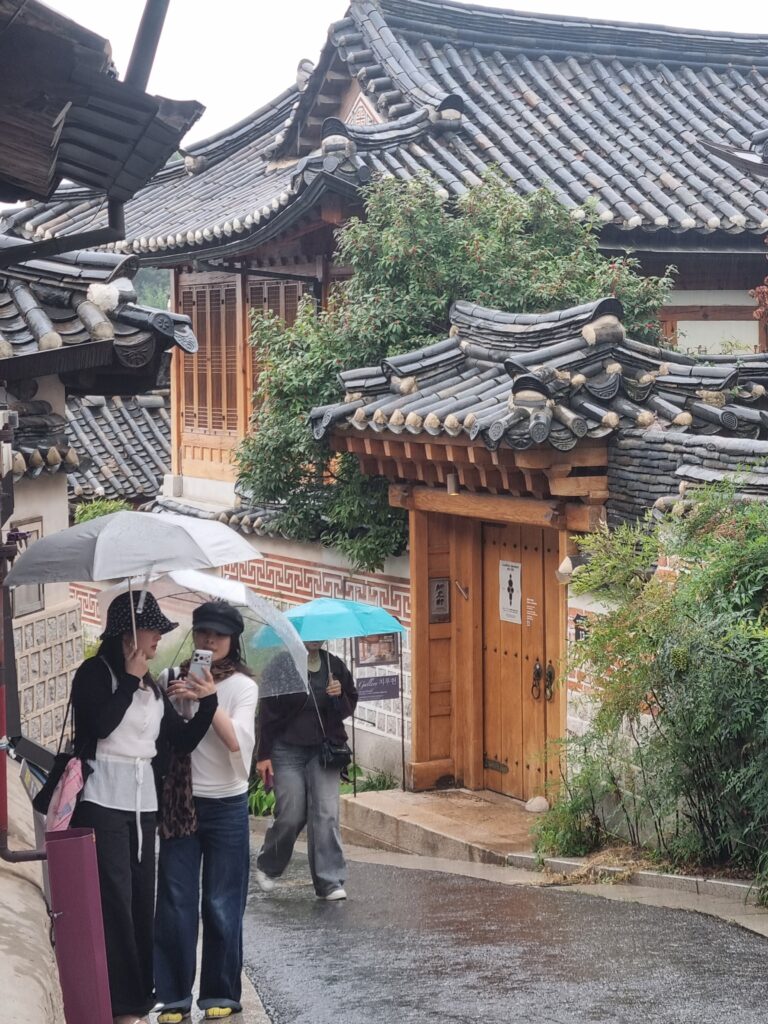
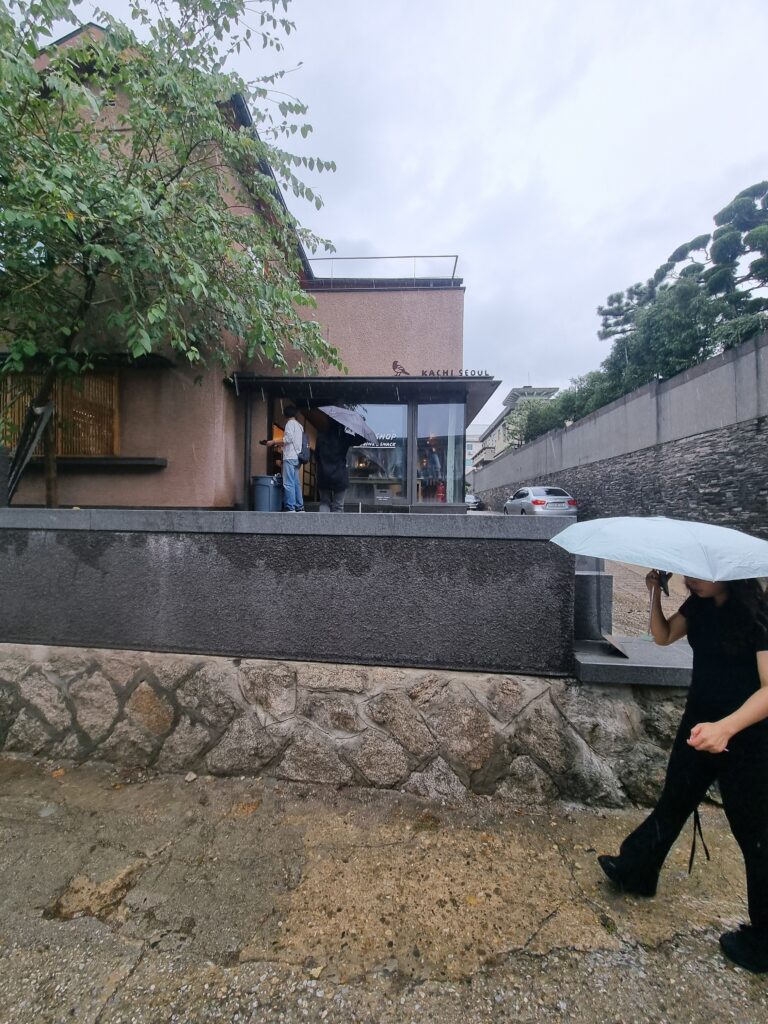
Visiting Bukchon Hanok Village on Chuseok Day was a special way to experience a different side of Seoul.
Bukchon is already one of the most interesting places to visit in Seoul because it combines traditional Korean architecture with a real residential neighborhood. Instead of being a single tourist attraction, Bukchon is a network of narrow streets, traditional houses, small shops, cultural spaces, and quiet residential alleys located between some of Seoul’s most important historic landmarks.
Visiting during Chuseok, one of Korea’s major traditional holidays, added another layer to the experience.
The atmosphere felt different from visiting Seoul’s busy shopping districts. Walking through the narrow streets and seeing rows of traditional hanok houses created a strong contrast with the modern buildings and busy roads elsewhere in the city.

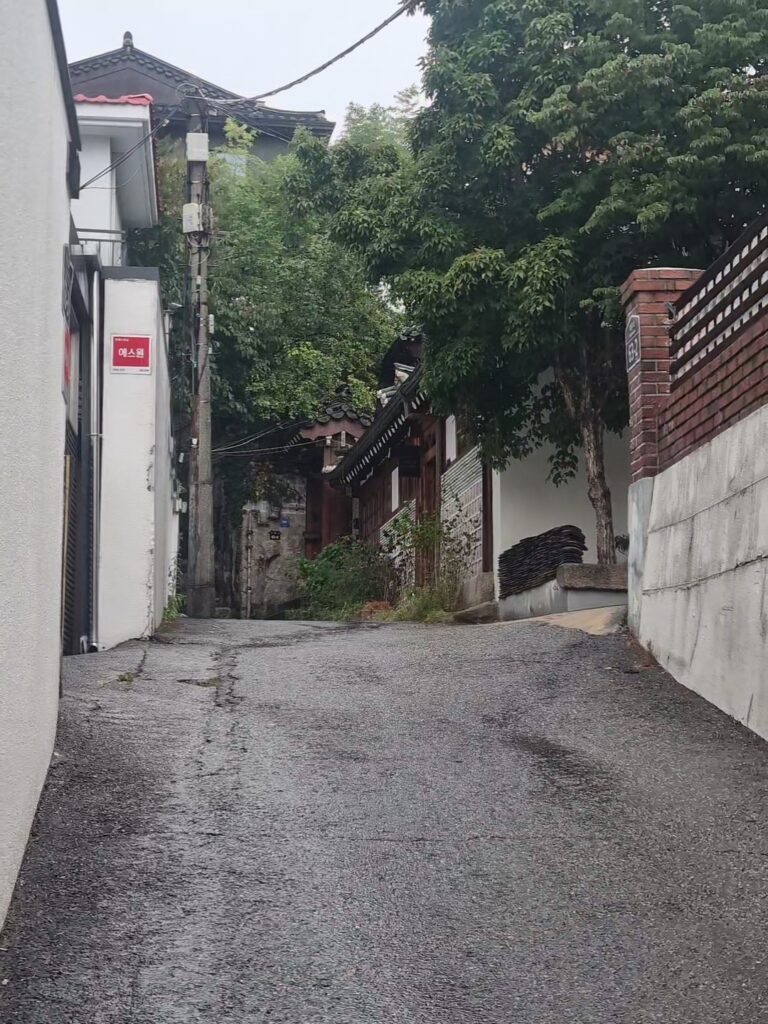
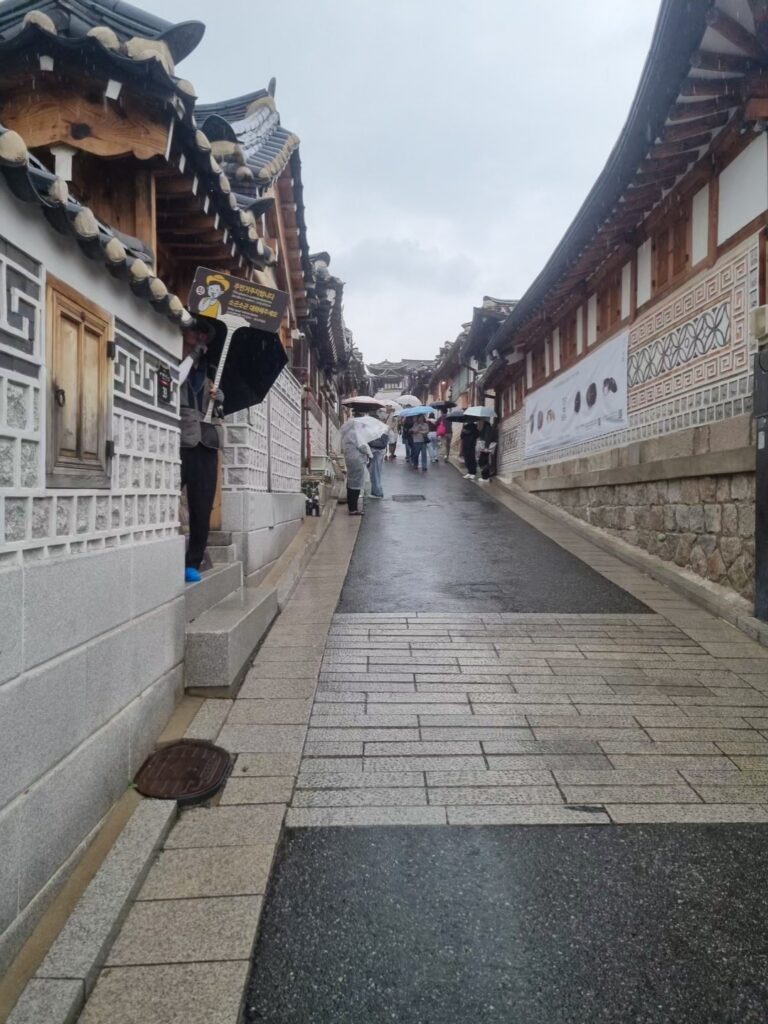
What Is Chuseok?
Chuseok is one of Korea’s most important traditional holidays.
It is often described as a Korean harvest festival and is traditionally associated with family gatherings, gratitude for the harvest, and spending time with relatives.
During the Chuseok holiday period, many Koreans travel to their hometowns or spend time with their families. Because of this, Seoul can sometimes feel different from an ordinary weekday.
Some businesses, restaurants, and attractions may have different operating hours during the holiday, so visitors should always check schedules before planning a trip.
For travelers, Chuseok can also provide an opportunity to experience a different atmosphere in Seoul.
Arriving at Bukchon Hanok Village
One of the easiest ways to reach Bukchon is by taking Seoul Subway Line 3 to Anguk Station.
Nearest Subway Station: Anguk Station
Line: 3
Recommended Exit: Exit 2
Walking: About 5–10 minutes
From Anguk Station, you can walk toward the Bukchon neighborhood and gradually leave the busy commercial streets behind.
The transition is one of the interesting parts of the visit.
Modern Seoul quickly begins to give way to traditional architecture, narrow roads, tiled roofs, wooden doors, stone walls, and small alleyways.
You do not need to rush toward one particular attraction.
One of the best ways to experience Bukchon is simply to walk slowly and observe the neighborhood.
Walking Through the Traditional Streets
The most memorable part of Bukchon is not a single building.
It is the overall atmosphere created by the hanok houses and narrow streets.
Traditional Korean houses are arranged along the hillsides, creating beautiful layers of tiled rooftops and walls.
Some streets are relatively quiet, while others are more popular with visitors.
As you walk, you may notice traditional wooden doors, roof tiles, small courtyards, stone walls, signs for craft shops, cafés, and cultural spaces.
The neighborhood feels different from a typical tourist attraction because people actually live here.
This is an important part of the Bukchon experience.
It is not an open-air museum where everything exists only for visitors. It is a real neighborhood where residents live their everyday lives.
Bukchon on Chuseok Day
Visiting Bukchon during Chuseok gave the neighborhood a particularly interesting atmosphere.
The traditional architecture seemed even more appropriate during a Korean holiday associated with family, tradition, and cultural heritage.
For international visitors, this can be an interesting opportunity to see how traditional Korean surroundings exist alongside modern Seoul.
At the same time, visitors should remember that Chuseok is an important holiday for local residents.
Some businesses may close or operate on different schedules, and some streets may be quieter than usual.
Rather than expecting every shop or café to be open, it is better to approach a Chuseok visit as an opportunity to enjoy the neighborhood itself.
📸 Photography in Bukchon
Bukchon is one of Seoul’s most popular photography locations.
The combination of traditional houses, tiled roofs, narrow lanes, and views toward the surrounding city creates many different photo opportunities.
Some of the most attractive photographs come from simply looking along a traditional street rather than trying to photograph a famous landmark.
Look for These Details
- Traditional tiled roofs
- Wooden doors
- Stone walls
- Narrow alleyways
- Traditional signs
- Hanok rooftops
- Hillside views
- Modern Seoul buildings behind traditional houses
The contrast between old and new is one of the most interesting photographic characteristics of Bukchon.
A traditional hanok roof may appear in the foreground while modern Seoul buildings can be seen in the distance.
🌿 Seasonal Atmosphere
Bukchon changes considerably depending on the season.
During spring, fresh greenery and flowers can add color to the traditional streets.
Summer brings dense green foliage and strong contrasts between the dark roof tiles and trees.
Autumn is particularly attractive because colorful leaves complement the warm colors of traditional architecture.
Winter creates a quieter atmosphere, especially when snow or frost highlights the shapes of the rooftops and walls.
A Chuseok visit usually takes place around the autumn season, which can make the neighborhood particularly attractive for photography when seasonal colors are beginning to appear.
🚶 Take Your Time
One mistake visitors can make in Bukchon is trying to finish the neighborhood too quickly.
Bukchon is not a place where you need to check off one attraction and immediately move on.
Instead, allow yourself time to walk.
A relaxed visit can take approximately 1–2 hours, while visitors who want to explore cultural spaces, cafés, traditional shops, and nearby attractions may spend considerably longer.
Because many streets are uphill or downhill, comfortable shoes are important.
You may not notice the amount of walking at first, but the combination of slopes, stairs, and narrow streets can become tiring.
🏘️ Remember That Bukchon Is a Residential Neighborhood
This is perhaps the most important thing to remember when visiting Bukchon.
People actually live in the houses surrounding the famous streets.
For that reason, visitors should treat the neighborhood differently from a normal shopping street or tourist attraction.
Please Remember To:
- Keep your voice low.
- Avoid blocking residential entrances.
- Stay on public paths.
- Do not enter private properties.
- Follow visitor signs.
- Avoid taking intrusive photographs of residents.
- Do not leave trash behind.
- Be especially considerate during holidays.
A quiet and respectful visit makes the experience better for both travelers and local residents.
Current visitor restrictions can also apply to designated areas of Bukchon, so check the latest local guidelines before visiting.
☕ Enjoy a Café After Walking
After walking through Bukchon’s hills and narrow streets, stopping at a café can be a pleasant part of the visit.
The surrounding area has many cafés, including places where traditional architecture is combined with modern interiors.
A café break also gives you time to rest before continuing your Seoul itinerary.
If you are visiting on Chuseok, however, check opening information in advance because holiday schedules can vary.
🏯 Combine Bukchon with Gyeongbokgung Palace
Bukchon is particularly easy to combine with Gyeongbokgung Palace.
A practical route is:
Gyeongbokgung Palace
↓
Bukchon Hanok Village
↓
Insadong
↓
Ikseon-dong
This route is one of the most effective and popular day walks included in our Seoul itineraries.
You can begin your day at Gyeongbokgung Palace and then walk toward Bukchon.
After exploring Bukchon, continue toward Insadong for traditional food, tea houses, galleries, and shopping.
Finish the day in Ikseon-dong, where traditional hanok buildings have been adapted into cafés, restaurants, and small shops.
🍜 Where to Go After Bukchon
There are several good options after exploring Bukchon.
Insadong
Insadong is a natural next destination.
You can explore traditional shops, galleries, tea houses, restaurants, and cultural spaces.
The area is especially convenient because it can be reached on foot from Bukchon.
Ikseon-dong
Ikseon-dong offers a different interpretation of traditional Seoul.
Traditional hanok buildings have been incorporated into modern cafés, restaurants, and small stores.
This creates an interesting contrast with the residential atmosphere of Bukchon.
Gyeongbokgung Palace
If you have not visited the palace first, you can also organize your route in the opposite direction.
Bukchon → Gyeongbokgung
The two destinations work well together because both offer different perspectives on Korea’s traditional architecture and history.
📷 A Good Photography Route
If photography is one of your main reasons for visiting Bukchon, consider taking a relaxed route rather than simply following the busiest street.
Start around Anguk Station and walk toward the traditional residential streets.
Take photographs of:
Street entrance
↓
Traditional hanok houses
↓
Roofline views
↓
Stone walls and wooden doors
↓
Hillside streets
↓
Views toward modern Seoul
Try taking photographs at different heights and distances.
Wide photographs show the relationship between the traditional neighborhood and the modern city.
Closer photographs can highlight architectural details such as roof tiles, wooden doors, walls, and traditional decorations.
⏰ How Long Should You Spend in Bukchon?
For a simple walk through the neighborhood, approximately 1–2 hours can be enough.
If you want to:
- Take many photographs
- Visit cultural spaces
- Stop at a café
- Explore nearby shops
- Visit Gyeongbokgung
- Continue to Insadong
- Wear a Hanbok
you should allow more time.
A full traditional Seoul route can easily become a half-day or full-day itinerary.
What Made This Chuseok Visit Special?
What made the visit interesting was not a single event.
It was the combination of traditional Korean architecture, autumn atmosphere, Chuseok, and everyday neighborhood life.
Bukchon provides an opportunity to see a part of Seoul where the past and present exist together.
You can see traditional hanok houses and then, only a short walk away, modern cafés, restaurants, smartphones, traffic, and high-rise buildings.
That contrast is one of the things that makes Seoul such an interesting city to explore.
During Chuseok, this feeling of tradition can become even more noticeable.
💡 Travel Tips for Visiting Bukchon
1. Wear comfortable shoes.
Bukchon has many hills, slopes, and stairs.
2. Visit during daylight hours.
The neighborhood is primarily residential, and visitor restrictions may apply in designated areas.
3. Check holiday opening hours.
Chuseok can affect the operating hours of shops, cafés, and attractions.
4. Keep your voice down.
Residents live in the neighborhood.
5. Don’t block entrances.
A good photograph is never a reason to block someone’s home.
6. Bring water.
Walking through the hilly streets can be tiring.
7. Allow enough time.
Don’t try to rush through Bukchon in 20 minutes.
8. Combine nearby attractions.
Gyeongbokgung, Insadong, and Ikseon-dong can be combined into a practical route.
9. Check current visitor guidelines.
Local visitor restrictions can change, particularly in residential areas.
10. Look beyond the famous photo spots.
Some of the most interesting views are found on quieter streets.
A Recommended Chuseok Day Route
If you want to experience traditional Seoul around Chuseok, consider:
Morning
Gyeongbokgung Palace
Spend around two hours exploring the palace grounds and traditional architecture.
↓
Late Morning
Bukchon Hanok Village
Walk through the traditional streets and enjoy the autumn atmosphere.
↓
Afternoon
Insadong
Have lunch, visit traditional shops, explore galleries, or enjoy Korean tea.
↓
Late Afternoon
Ikseon-dong
Explore the hanok streets and relax at a café.
↓
Evening
Jongno or Myeongdong
Finish your day with Korean food or shopping.
This route keeps the day’s destinations relatively close together and reduces unnecessary travel across Seoul. If you’re planning your trip using our [Seoul 7-Day Itinerary], this seamless combination naturally covers the best of traditional Seoul without unnecessary transit time.
Final Thoughts
A visit to Bukchon Hanok Village on Chuseok Day can be a memorable way to experience traditional Seoul.
Bukchon is beautiful because of its architecture, but its real character comes from the fact that it remains a living neighborhood.
The narrow streets, tiled rooftops, traditional houses, autumn scenery, cafés, and surrounding historic attractions create an experience that feels very different from Seoul’s modern shopping districts.
If you are visiting during Chuseok, take your time and enjoy the atmosphere rather than trying to see as much as possible.
Walk slowly.
Take photographs respectfully.
Notice the details of the hanok architecture.
Stop for Korean tea or a meal.
And remember that the people living in Bukchon are part of the neighborhood too.
For first-time visitors, a route such as Gyeongbokgung Palace → Bukchon Hanok Village → Insadong → Ikseon-dong provides an excellent introduction to Seoul’s traditional side.
Travel slowly, respect the neighborhood, and enjoy one of Seoul’s most distinctive historic areas.
🚇 How to Get to Bukchon Hanok Village
By Subway
The most convenient way to reach Bukchon Hanok Village is by Seoul Subway Line 3.
Anguk Station (Line 3) is the closest subway station.
- Anguk Station Exit 3: about a 5–10 minute walk toward the main Bukchon area
- Anguk Station Exit 1: convenient for the Bukchon Village Information Center and nearby areas
The official Seoul tourism guide lists Bukchon Hanok Village as approximately 516 meters from Anguk Station Exit 3.
If you are visiting for the first time, Anguk Station is a convenient starting point because you can walk directly into the traditional neighborhood rather than taking a taxi into the narrow residential streets.
By Bus or Taxi
Buses and taxis can also take you to the surrounding area, but walking is often the best way to explore Bukchon because many of the most interesting streets are narrow residential alleys.
If you use a taxi, it is usually more practical to get off near a main road and continue on foot rather than trying to enter the smaller lanes.
🗺️ Nearby Places to Visit
One of the best things about visiting Bukchon Hanok Village is its location. Several major Seoul attractions are within walking distance, making it easy to combine Bukchon with other sightseeing destinations.
🏯 Gyeongbokgung Palace
Gyeongbokgung Palace is located southwest of Bukchon and is one of Seoul’s most important historic attractions.
You can combine a visit to the palace with Bukchon Hanok Village to experience two different sides of Seoul’s traditional architecture.
Recommended combination:
Gyeongbokgung Palace → Bukchon Hanok Village
🏯 Changdeokgung Palace
Changdeokgung Palace is located just east of Bukchon. Its historic palace buildings and surrounding gardens make it another natural addition to a Bukchon itinerary.
Because Bukchon is positioned between the two major palaces, visitors can create a convenient walking route connecting the three areas.
Recommended combination:
Changdeokgung Palace → Bukchon Hanok Village → Insadong
🎨 Insadong
Insadong is a great place to continue your visit after exploring Bukchon. The area is known for traditional Korean culture, galleries, handicrafts, souvenirs, cafés, and restaurants.
It is particularly convenient for travelers who want to combine traditional architecture, shopping, food, and Korean cultural experiences in one afternoon.
☕ Samcheong-dong
Samcheong-dong is located close to Bukchon and is known for its combination of traditional Korean architecture, modern cafés, galleries, boutiques, and restaurants.
It’s a good place to take a break after walking through Bukchon’s hilly streets.
Recommended route:
Bukchon Hanok Village → Samcheong-dong → Gyeongbokgung Palace
📌 Suggested Half-Day Walking Route
For first-time visitors, you could also add a simple route box like this:
Anguk Station → Bukchon Hanok Village → Samcheong-dong → Gyeongbokgung Palace → Insadong
This route allows visitors to experience traditional neighborhoods, hanok architecture, a royal palace, cafés, restaurants, and Korean cultural attractions without having to travel far between destinations.
⚠️ A Note for Visitors
Bukchon Hanok Village is still a residential neighborhood. Visitors are asked to keep noise levels low, avoid entering private properties, and avoid photographing the interiors of homes. Seoul’s official tourism information also notes visitor restrictions in designated areas during restricted hours, so travelers should check the latest local guidance before visiting.
🧭 Useful Seoul Travel Tools
Make your visit easier with our free travel tools.